Time magazine


Cheerleaders


me and myself

me and my future

- R&W Cultural Photography
The article talks about cultural photography in a very easy to understand way. It explains that this kind of photography is about showing how people live their traditions, habits, and everyday actions. The author, Adam Marelli, says cultural photography is different from street or documentary photography because it focuses more on understanding people deeply, not just taking quick pictures of them.
One simple but interesting part of the article is Marelli’s story about showing his black and white photos to National Geographic. They rejected his work because they only wanted color photos. This helped him realize that big magazines often limit how photographers can express themselves. Another memorable point is how much time he spends learning about the cultures he photographs. For example, he studied construction work for ten years and practiced Zen Buddhism for seven years so he could understand people from the inside.
Overall, the article shows that cultural photography is about patience, learning, and real connection. It is not just a style it is a way of seeing people with respect and curiosity. Marelli believes that when photographers take time to understand a culture, their photos become more honest and meaningful.
Valetines

Inspirational poster

Painting

Multiple exposure

5 positives & negatives of AI
- Helps people work faster
- Doesn’t get tired
- Can help doctors
- Gives ideas for writing or art
- makes fewer mistakes than humans
Negatives
- Can take some jobs
- Can be unfair if trained wrong
- Can use personal data
- Costs a lot to make
- Doesn’t understand feeling
Photo weaving

Whats in my head

Read and Write: 5 THINGS YOUR CAMERA WISHES YOU KNEW
-
AI Focus and AI Servo are not the same — For moving subjects, AI Servo (continuous focus) will generally produce sharper shots than AI Focus, because it tracks focus continuously and never locks.
-
Not all memory cards perform equally — The speed of your memory card matters a lot, and a slow card can be the real culprit when your camera seems sluggish.
-
Your camera strap matters — The cheap strap that comes with your camera isn’t very comfortable; using a cushioned, ergonomic strap can make a big difference when you shoot for long periods.
-
Don’t trust the LCD for exposure — The camera’s LCD screen can mislead you about how well-exposed your image is; instead, check the histogram to more accurately judge exposure.
-
Customize your camera buttons — Many cameras let you assign functions to different buttons. Taking a few minutes to set this up (like for back-button autofocus) can make your camera much more intuitive to use.
sandy Skoglund
Sandy Skoglund is known for crafting elaborate, surreal environments filled with repeated handmade objects and intensely saturated colors, all staged around real human subjects before she photographs the entire scene. Her work feels like stepping into a vividly detailed dream familiar spaces transformed into something strange, playful, and slightly unsettling. I love how intentional every element is, from the color palette to the sculpted animals or objects that seem to multiply and take over the room. My favorite piece of hers, Revenge of the Goldfish, captures this perfectly: a calm blue bedroom interrupted by dozens of floating terracotta fish, creating a magical moment that feels both peaceful and impossible. Skoglund’s style is wonderfully imaginative, and her photographs remind me how beautifully bizarre the world can become when an artist fully commits to their vision


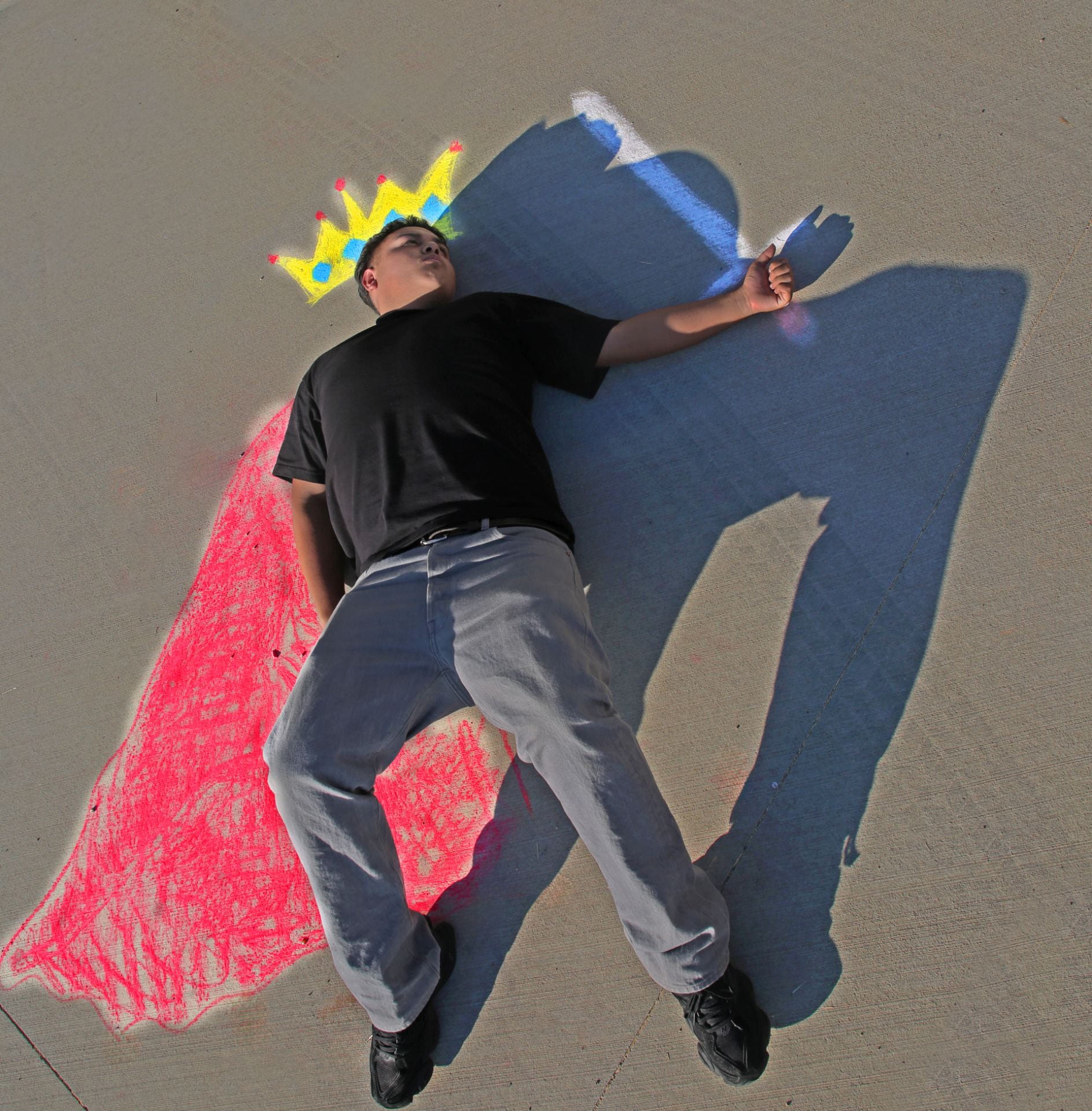
chalk art
Motion blur


Pick a something

Senior portraits


David Hockney

Painting

Double color exposure

Read & Write
- Aperture is the opening in the lens that controls how much light enters the camera. Shutter speed is how long the camera’s shutter speed stays open to let in light. ISO controls sensor’s sensitivity to light.
- You would need to change the camera’s ISO depending on the lighting conditions and your desired exposure.
- Aperture and Shutter Priority are two semi-automatic shooting modes on a camera that give you more creative control without going fully manual.
- AF modes control how your camera focuses on a subject.
- You need to meter the light to get the right exposure because it helps your camera or even the person behind the camera decide the correct aperture, shutter speed, and ISO for the scene. Without the proper metering your photo might be overexposed.
- A normal lens shows the scene just as your eyes would see it with natural proportions. A wide-angle lens shows more of the scene in the frame by capturing a wider field of view.
- White balance is a camera setting that adjusts the color in your photo so that white objects appear truly white, no matter the lighting conditions.
- Depth of Field is the area in a photo that appears sharp and in focus. In shallow only a small part of the image is in focus. In good depth of field most or all the image is in focus.
- Drive modes control how many photos your camera takes when you press the shutter.
- Exposure compensation is a camera feature that lets you manually adjust the brightness of your photo when using automatic or semi-automatic modes.
Types of Photography
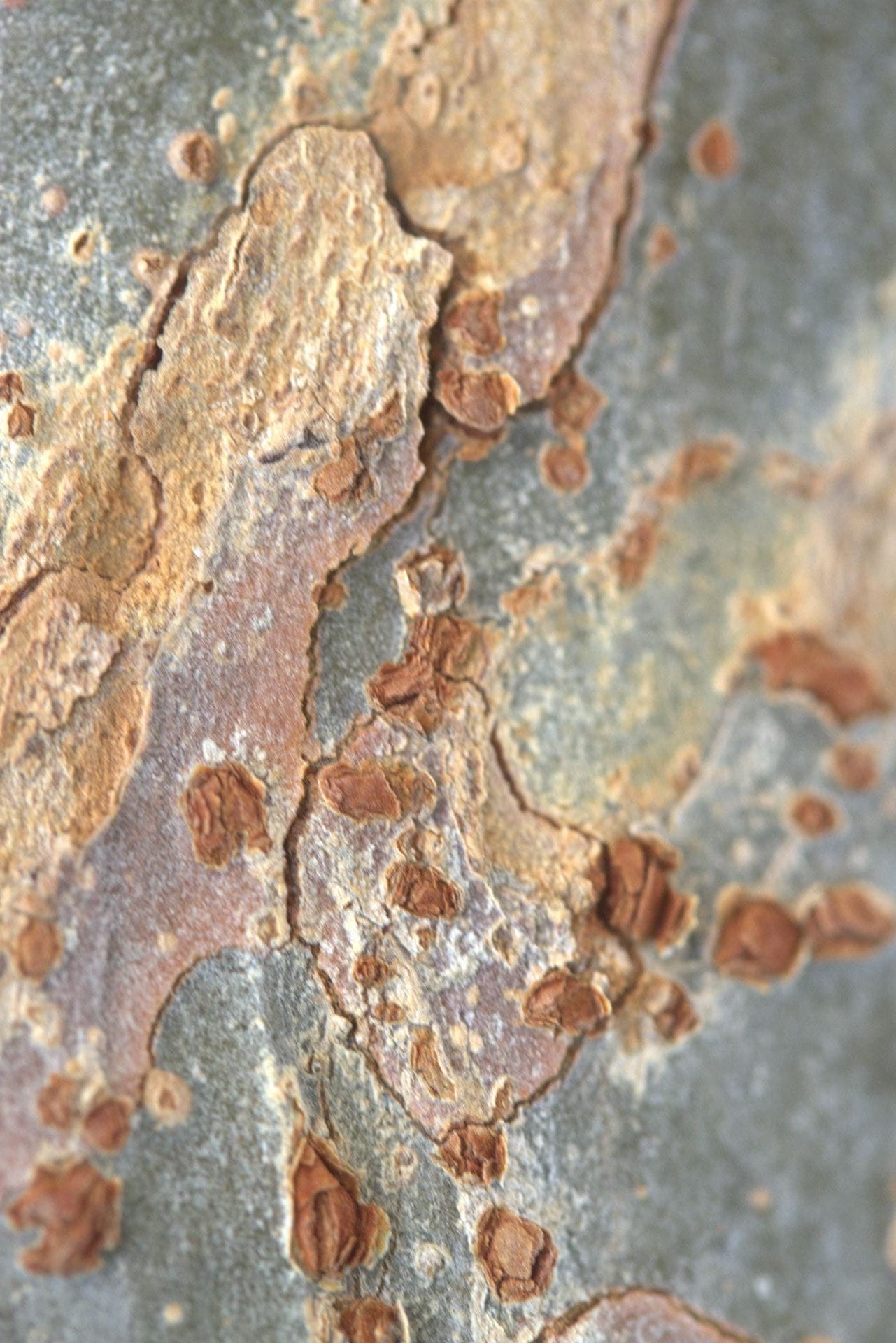
The two types of photography that interest me were Portrait Photography I love how it captures human emotion and personality. It’s a powerful way to tell stories through facial expressions, lighting, and composition. The other one is Macro Photography The idea of revealing hidden details in tiny subjects like insects or textures is fascinating. It feels like discovering a secret world.
collage

self-portrait blending

dept of field

Man of Nature

Simulator
I learned that to use a camera effectively, start by turning it on and choosing a shooting mode that fits your needs Auto for beginners, Aperture Priority to control background blur, Shutter Priority to manage motion, or Manual for full control over aperture, shutter speed, and ISO. Set the autofocus mode depending on whether your subject is still or moving, and adjust the white balance to match the lighting for accurate colors. use the metering mode to help the camera measure light correctly, and pick a drive mode to decide if you want single shots, bursts, or self-timer. If your photos come out too bright or dark, apply exposure compensation to fine-tune brightness without changing other settings.
Read and write
- What are aperture, shutter speed and ISO? The aperture is how big the lens opening is. The shutter speed is how long the camera takes the photo for. The ISO is how sensitive your camera is to light.
- When would you need to change your ISO? When it’s dark or too light, you need a faster shutter speed, you want the cleanest photo.
- What is aperture and shutter priority settings? Aperture priority lets you choose how blurry or sharp the background is, and the camera sets the shutter speed. Shutter priority lets you choose how fast the photo is taken and the camera sets the aperture.
- What are AF modes how do you change them? AF modes control how your camera focuses on an object. To change it press the mode and go into the AF settings.
- Why do your need to meter the light to get the right exposure? To get the right exposure so your photo isn’t too bright or too dark.
- What is the difference between a normal, wide angle and telephoto lens? A normal lens shows the scene naturally, like how your eyes see it. A wide angle lens fits more into the frame, while a telephoto lens zooms in to make faraway subjects look closer.
- What is white balance and why would you need to change it? White balance adjusts the colors in your photo so that whites look truly white. You change it to make sure the colors look natural under different types of light, like sunlight or indoor bulbs.
- What is depth of field and what is the difference between shallow and good? Depth of field is how much of the photo is in sharp focus from front to back. A shallow depth of field means only a small part is in focus, while a deep depth of field means most or all of the image is sharp.
